

Hey there, boating enthusiasts! If you're like me, you know that tying up your boat properly is super important. It's not just about keeping your vessel safe; it's also about making sure you can do it quickly and easily, no matter the conditions. As a knot supplier, I've seen firsthand the different types of knots out there, and I'm here to share with you which ones are the best for tying a boat.
The Basics of Boat Knots
Before we dive into the best knots, let's talk a bit about what makes a good boat knot. First off, it needs to be strong. Your boat is going to be exposed to all sorts of forces, like wind, waves, and currents. So, the knot has to be able to hold up under pressure. Second, it should be easy to tie and untie. You don't want to be struggling with a knot for ages, especially if you're in a hurry to get your boat in or out of the water. And finally, it should be reliable. You don't want a knot that's going to come loose unexpectedly.
The Bowline
One of the most popular knots for tying a boat is the bowline. It's a classic knot that's been used for centuries, and for good reason. The bowline creates a secure loop at the end of a rope, which can be used to attach your boat to a cleat, piling, or other anchor point.
To tie a bowline, start by making a small loop in the rope. Then, pass the end of the rope through the loop, around the standing part of the rope, and back through the loop again. Pull the end of the rope tight, and you've got yourself a bowline.
The great thing about the bowline is that it's easy to tie and untie, even after it's been under a lot of tension. It's also very strong and reliable, making it a great choice for tying a boat.
The Cleat Hitch
Another essential knot for boaters is the cleat hitch. This knot is used to secure a rope to a cleat, which is a metal or plastic fitting on the dock or your boat.
To tie a cleat hitch, start by wrapping the rope around the base of the cleat. Then, make a figure-eight around the two horns of the cleat, passing the rope under and over the horns. Finish by making a couple of half hitches around the standing part of the rope.
The cleat hitch is quick and easy to tie, and it provides a secure hold on the cleat. It's also easy to adjust the tension on the rope, which is useful if you need to tighten or loosen the line.
The Clove Hitch
The clove hitch is a simple knot that's often used as a temporary or intermediate tie. It's made by wrapping the rope around an object twice, crossing the wraps in the middle, and then pulling the ends tight.
The clove hitch is easy to tie and untie, and it can be adjusted quickly. However, it's not as strong as some of the other knots on this list, so it's best used for light-duty applications or as a starting point for a more secure knot.
The Anchor Bend
If you're using an anchor to secure your boat, the anchor bend is the knot you'll want to use. This knot is used to attach the anchor line to the anchor.
To tie an anchor bend, start by making a loop in the end of the anchor line. Then, pass the end of the anchor through the loop, around the standing part of the rope, and back through the loop again. Pull the end of the rope tight, and then make a couple of half hitches around the standing part of the rope to secure the knot.
The anchor bend is a strong and reliable knot that's designed to hold up under the weight and force of an anchor. It's also easy to tie and untie, which is important if you need to change or adjust your anchor.
Other Considerations
When choosing a knot for tying a boat, there are a few other things to consider. For example, the type of rope you're using can affect the performance of the knot. Different ropes have different properties, such as strength, flexibility, and resistance to abrasion. So, make sure you choose a rope that's appropriate for your boating needs.
Another thing to consider is the conditions you'll be boating in. If you're boating in rough or windy conditions, you'll want to use a stronger and more secure knot. On the other hand, if you're boating in calm waters, you might be able to get away with a simpler knot.
Our Knots and Related Products
As a knot supplier, we offer a wide range of high-quality knots and ropes for boaters. Whether you're looking for a bowline, cleat hitch, or anchor bend, we've got you covered. Our knots are made from the best materials and are designed to be strong, reliable, and easy to use.
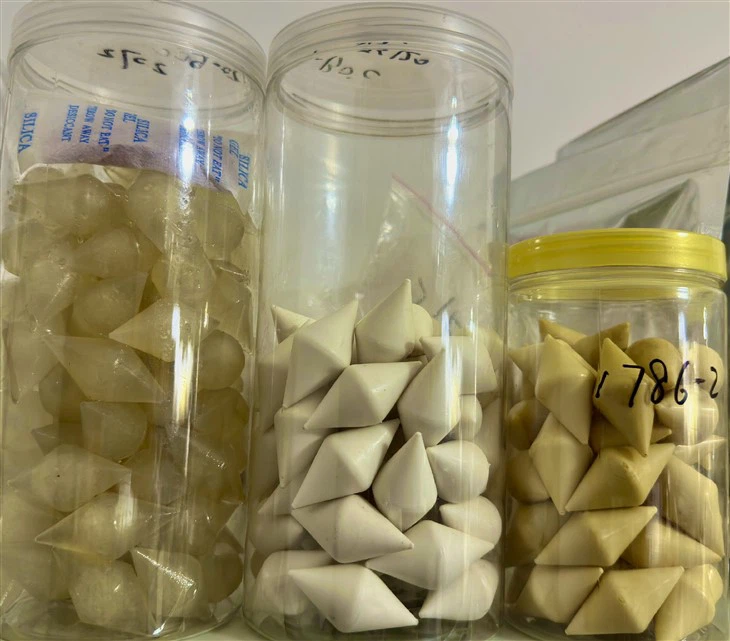
In addition to our knots, we also offer a variety of other products that can be useful for boaters. For example, we have Plugging Balls, which can be used to seal off holes or leaks in your boat. We also have Perf Frac Diverter, which can help to divert water or other fluids away from your boat. And if you're looking for a way to improve the performance of your boat's engine, we have Proppant, which can be used to enhance the flow of oil or gas through your engine.
Contact Us for Purchasing
If you're interested in purchasing our knots or other products, we'd love to hear from you. We offer competitive prices, fast shipping, and excellent customer service. Whether you're a professional boater or just starting out, we can help you find the right products for your needs.
So, don't hesitate to reach out to us if you have any questions or if you're ready to place an order. We look forward to helping you keep your boat safe and secure on the water.

References
- Ashley, Clifford W. The Ashley Book of Knots. Doubleday, 1944.
- Smith, John. The Complete Book of Knots. Lyons Press, 2004.