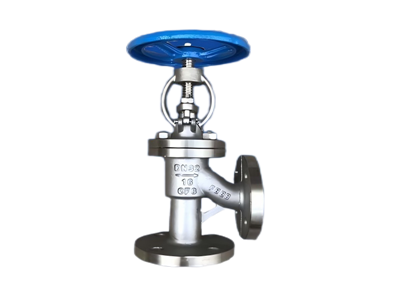
Product Introduction
Gas Shut-Off Valve - precision switch controlling gas flow. Manual: 90° handle rotates ball/gate/disc - open or closed. Auto/smart: sensors monitor flow/pressure; on leak/overpressure, spring/electric closes instantly (<1s select). Position sensing (IP67 limit switch) gives open/closed feedback. Types: manual (home/appliance), automatic (smart building/industrial), prepayment meter (motor, ultra-low current battery +100%), high-pressure industrial (125psig/8.6bar, electric/pneumatic/hydraulic). Brass/carbon steel/SS body, PTFE seals - zero leakage ≤1L/h at 75mbar, corrosion-resistant, 10–20yr life (4000–5000 cycles). DN20–150 (3/4"–6"), -29~60°C. Thread/flange/bayonet. FM/CSA/UL/CE/IEC61508 SIL3/FCI70-2. Residential, commercial, industrial, gas distribution, seismic. China factory, OEM/ODM.
Product Features
1. Superior Safety Performance - Zero Leakage, <1s Closing, Position Sensing: Our gas shut-off valve features a precision sealing structure that ensures zero leakage (≤1 L/h at 75 mbar) when closed - eliminating the risk of gas accumulation and potential hazards. The low leakage rate is verified by 100% factory airtightness testing, ensuring that even after long-term use and thousands of cycles, the valve maintains bubble-tight shut-off. For emergency scenarios, our automatic models can shut off gas flow in less than 1 second - providing an immediate safety barrier against leaks, overpressure, or seismic activity. This rapid response minimizes the volume of gas released before isolation, preventing the gas from reaching explosive concentrations (natural gas: 5–15% LEL; LPG: 2–10% LEL). All valves are equipped with position sensing (IP67 sealed limit switch for select models) to clearly indicate open/closed status - avoiding misoperation and enhancing safety management. The position switch provides real-time feedback to building automation systems (BMS), gas detection control panels, or SCADA systems, allowing operators to remotely monitor valve status and confirm emergency closure. The visual position indicator (where applicable) also allows local operators to quickly verify valve state at a glance. For seismic-triggered models, the valve can be integrated with earthquake early-warning systems or seismic sensors to automatically shut off gas during/after an earthquake - preventing post-quake gas fires, a leading cause of secondary disaster damage. The combination of zero leakage, rapid closing, and position feedback provides multi-layered safety protection for any gas system.
2. Industrial-Grade Durability - 10–20 Year Service Life, 4000–5000 Cycles: Crafted from high-quality materials including brass (CW614N), carbon steel (WCB), stainless steel (304/316), and corrosion-resistant PTFE seals, our valves are built to withstand harsh environments, corrosive gases, and long-term use. With a service life of up to 20 years (4000+ cycles for smart models and 5000+ cycles for prepayment models), they offer long-lasting reliability without frequent maintenance, reducing your total cost of ownership. The compact, robust design also ensures resistance to wear, pressure, and temperature fluctuations (-20°F to 140°F / -29°C to 60°C for most models). Brass bodies provide excellent machinability and corrosion resistance for residential/commercial low-pressure service; carbon steel (WCB) bodies handle higher pressure and temperature for industrial service; stainless steel bodies provide superior corrosion resistance for humid, coastal, or chemically aggressive environments. PTFE seals offer excellent chemical resistance, low friction, and long service life - resistant to natural gas, LPG, and most fuel gas components. The valve stem and internal trim are designed for low operating torque and smooth 90° rotation, even after long periods of inactivity. The unique bonnet design eliminates the need for frequent packing adjustments - the stem sealing system is engineered for long-term zero-leakage service. All pressure-containing parts undergo strict pressure resistance testing (1.5× rated hydrostatic shell test) and airtightness testing (≤1 L/h at 75 mbar seat test) before leaving the factory. The yellow gas-industry standard exterior coating provides corrosion protection and high visibility (universal gas piping color code). For outdoor installations, the IP67-rated electrical components (position switch, actuator) protect against dust and water ingress. The long service life and low maintenance requirements make the valve a cost-effective choice for gas utilities, facility managers, and homeowners - one valve can serve for 10–20 years with only periodic inspection and occasional seal replacement.
3. Manual & Automatic Operation Modes - 90° Rotation + Sensor-Triggered Closure: Manual Gas Shut-Off Valve: Simple 90° rotation operation - rotating the handle/handwheel one quarter turn moves the internal closing element (ball, gate, or valve disc) to fully open (unobstructed flow) or fully closed (complete shut-off). Ideal for homes, small commercial kitchens, and gas appliances (stoves, water heaters, boilers, space heaters). Easy to install and operate, no external power required. The 90° quarter-turn operation is intuitive and fast - an operator can shut off gas in an emergency with a simple wrist turn. The handle position (inline = open, perpendicular = closed) provides visual status indication. Automatic Gas Shut-Off Valve: Equipped with sensors to detect gas leaks, overpressure, or flow abnormalities, automatically cutting off gas supply without manual intervention. When the gas detector senses gas concentration above the alarm threshold (typically 20% LEL pre-alarm / 50% LEL alarm), or the pressure sensor detects overpressure, or the flow meter detects abnormal flow (e.g., continuous flow indicating a major leak), the controller signals the actuator (spring-return solenoid or electric motor) to close the valve - cutting gas in <1 second. Perfect for smart homes, commercial buildings, and industrial facilities where automatic 24/7 protection is required. The automatic valve can be integrated with gas detection systems, fire alarm panels, building management systems (BMS), and safety instrumented systems (SIS). It accepts both dry-contact and voltage signals from standard gas detectors and control systems. For fail-safe applications, the spring-return configuration ensures the valve closes on power loss (safe state). The automatic mode can be overridden manually for maintenance or testing. Both manual and automatic modes share the same robust body and sealing technology - ensuring consistent safety performance regardless of actuation method.
4. Smart/Prepayment & High-Pressure Industrial Configurations: Smart/Prepayment Meter Valves: Integrated with motor, sensors, and control electronics for smart gas metering systems. Prepayment models feature ultra-low discharging current, extending battery life by up to 100% - reducing battery replacement frequency and maintenance cost for gas utilities. The motor-driven valve opens when prepaid credit is available and closes automatically when credit is exhausted (or on remote command), enabling pay-as-you-go gas service and reducing non-payment risk. The smart valve can communicate with AMI (Advanced Metering Infrastructure) systems via wireless (LoRa, NB-IoT, RF) or wired (M-Bus, RS-485) protocols, providing remote meter reading, valve control, and leak detection. High-Pressure Industrial Valves: Designed for high-pressure gas pipelines (up to 125 psig / 8.6 bar), suitable for industrial plants, gas distribution networks, and large-scale facilities. Available with electric, hydraulic, or pneumatic actuation for automated control - integrating with PLC/SCADA systems for remote operation and safety interlocks. The high-pressure models feature reinforced bodies (carbon steel WCB or stainless steel), heavier trim, and tested to higher pressure ratings. For even higher pressure (above 125 psig), custom configurations are available on request. The high-pressure industrial valves are suitable for natural gas transmission, CNG (compressed natural gas) stations, industrial process gas, and gas-fired boiler/burner fuel lines. Both smart/prepayment and high-pressure models retain the core safety features: zero leakage, position sensing, and global certifications. The wide range of configurations means one valve platform can serve from a single home appliance to a high-pressure industrial pipeline - simplifying procurement and training across a gas utility's entire network.
5. Easy Installation & Low Maintenance - Standard Connections, No Packing Adjustment: Our gas shut-off valves feature a plug-in bayonet fitting or standard thread/flange connections, allowing for quick and easy installation without complex tools. Thread connections (NPT/BSP) are standard for small residential sizes (DN15–DN50); flange connections (GB/T 9113, JB/T 79, ANSI B16.5) for commercial/industrial sizes (DN50–DN150); plug-in bayonet for smart/prepayment meter connections (quick-connect to gas meter assemblies). The unique bonnet design eliminates the need for packing adjustments, reducing maintenance efforts and minimizing operational drag - the stem sealing system is designed for long-term zero-leakage service without periodic repacking. For automated models, we provide clear wiring instructions and compatibility with building automation systems (BAS/BMS), ensuring seamless integration. The electrical connections use standard cable glands (IP67-rated for outdoor/hazardous models) for simple field wiring. The valve supports standard control signals (dry-contact, 24V DC, 110V AC, 220V AC - specify when ordering) for compatibility with most gas detection and building automation systems. Routine maintenance is minimal: visual inspection, periodic manual operation (to prevent seizing), position switch verification, and seal replacement every 5–10 years (or if leakage detected). The valve can be serviced inline without removing the body from the pipeline (depending on configuration) - the bonnet and trim can be accessed for seal/stem replacement. Spare parts (seals, stem, position switch, actuator components) are readily available. For retrofit installations, the valve can replace existing manual gas valves using standard flange-to-flange or thread-to-thread dimensions - minimizing piping modifications. The low-maintenance design reduces total cost of ownership over the 10–20 year service life. Installation should be performed by qualified gas technicians per local gas codes (e.g., NFPA 54, GB 50028, EN 1775).
6. Global Certifications & Compliance - FM, CSA, UL, CE, IEC 61508 SIL3, FCI 70-2: All our gas shut-off valves are certified by international authorities, including FM (Factory Mutual - approval for gas shut-off valves used with gas detection systems), CSA (Canadian Standards Association), UL (Underwriters Laboratories - UL 1477 for gas shut-off valves), CE (European conformity - PED/EMC/ATEX as applicable), and comply with IEC 61508 (SIL 3 capable) and FCI 70-2 (control valve seat leakage classification) standards - meeting safety regulations in North America, Europe, and other global markets. We strictly adhere to gas industry standards (e.g., GB 50251 - code for design of gas transmission pipeline engineering, GB/T 13927 - industrial valve pressure testing) and ensure each valve undergoes rigorous testing before leaving the factory, guaranteeing quality and compliance. The SIL 3 capability (per IEC 61508) makes the valve suitable for high-demand safety instrumented functions in industrial gas systems - where a failure to close on demand could result in catastrophic loss. Third-party SIL certification (TÜV, Exida, BV) available on request. For hazardous locations, select models are non-incendive Class I, Division 2 approved - suitable for areas where flammable gas/air mixtures may be present under normal operation (Zone 2 / Division 2). The IP67 rating protects against dust and temporary water immersion for outdoor/underground valve vault installations. The combination of FM/CSA/UL (North America), CE (Europe), IEC 61508 SIL3 (functional safety), and GB (China) certifications makes the valve suitable for global projects - from residential installations in North America to industrial gas pipelines in the Middle East to smart gas metering in Asia. Third-party inspection (BV, SGS, DNV, ABS) available on request. Material traceability: all pressure-containing parts have material test reports (MTR/EN 10204 3.1); 3.2 certificates with third-party verification optional. Each valve is permanently marked with body material, size, pressure rating, flow direction, certification marks, and serial number for full traceability.
Working Principle
Gas Shut-Off Valve: manual - 90° handle rotates stem, moves ball/gate/disc - open/closed. Auto/smart - integrated sensors (gas/pressure/flow/seismic) monitor pipeline; on leak/overpressure/quake, actuator (spring/electric) closes <1s. Prepayment meter - motor opens/closes on prepaid credit; ultra-low current extends battery +100%. Position sensing (IP67 sealed limit switch) detects open/closed, real-time feedback to controller/BMS. PTFE/soft seat provides zero leakage ≤1L/h at 75mbar. Body brass/carbon steel/SS, corrosion-resistant. DN20–150, 125psig/8.6bar max, -29~60°C. Thread/flange/bayonet. FM/CSA/UL/CE/SIL3. Fail-safe option: spring closes on power loss.
Application Scenarios
Residential Use - Homes, Apartments, High-Rises, Gas Appliances: Installed near gas meters, stoves, water heaters, boilers, and space heaters to control gas flow, with emergency shut-off capability for home safety. In residential settings, a gas leak from a cracked hose, faulty appliance connection, or left-on stove can rapidly fill a home with explosive gas - the gas shut-off valve (manual or automatic) provides the critical isolation point. Manual valves are installed at the gas meter outlet and individual appliance shut-off points - residents can quickly turn off gas in an emergency with a simple 90° handle turn. Automatic/smart valves pair with home gas detectors (natural gas methane or LPG propane/butane) - when the detector alarms, the valve closes automatically in <1 second, even when no one is home. For high-rise apartments, a gas leak on one floor can spread to other floors via stairwells and shafts - automatic shut-off at the riser or individual apartment limits the leak source. In earthquake-prone areas (Japan, California, Taiwan, Western China, Turkey), seismic-triggered or gas-detector-integrated valves automatically shut off gas during/after an earthquake, preventing post-quake gas explosions - one of the leading causes of secondary disaster casualties. The prepayment meter valve enables pay-as-you-go gas service for residential customers - closing when credit is exhausted, reducing non-payment risk for gas utilities. The compact size (DN15–DN25), quiet operation, and standard thread connections make residential installation straightforward. The zero-leakage sealing (≤1 L/h at 75 mbar) ensures no gradual gas seepage into living spaces. UL/FM/CSA certifications ensure compliance with North American residential gas safety codes.
Commercial Use - Restaurants, Hotels, Canteens, Shopping Malls, Hospitals: Commercial kitchens, restaurants, hotels, canteens, shopping malls, and hospitals - places with high gas consumption and dense crowds. Commercial kitchens use large volumes of natural gas or LPG for cooking (woks, ovens, grills, deep fryers, steamers); a gas leak in a commercial kitchen can rapidly reach explosive concentrations, and the presence of open flames/ignition sources makes fire/explosion risk extremely high. The gas shut-off valve at the main kitchen gas supply provides automatic isolation when paired with kitchen gas detectors and fire suppression systems (Ansul/Range Guard) - fire suppression activation triggers gas shut-off. In hotels and shopping malls, gas service may feed multiple tenants/floors (restaurants, food courts, heating systems); a central gas shut-off valve at the building gas service entrance provides whole-building isolation in an emergency. Hospitals use gas for sterilization (autoclaves), heating, kitchens, and laboratories - automatic shut-off protects patients (many immobile or on life support) and staff. Complies with commercial safety regulations - many jurisdictions require automatic gas shut-off valves in commercial kitchens and public assembly buildings (NFPA 96 for commercial cooking, local fire codes). The high-pressure industrial configuration (up to 125 psig) handles commercial boiler and HVAC gas supply. The position sensing (IP67 limit switch) integrates with building fire alarm and BMS systems for centralized monitoring. The 90° manual override allows staff to quickly shut off gas during evacuation. The rapid <1s closing (for typical commercial sizes DN25–DN80) minimizes gas release. The Ex/IP ratings allow installation in mechanical rooms and outdoor gas meter enclosures. For large commercial facilities, multiple valves can be zoned - isolating affected areas while maintaining gas to unaffected sections.
Industrial Use - Chemical Plants, Refineries, Gas Power Plants, Industrial Facilities: Chemical plants, refineries, gas-fired power plants, and industrial facilities - used to section off pipeline zones, control gas flow to equipment, and prevent overpressure hazards. In gas-fired power plants, shut-off valves on fuel gas lines to boilers/gas turbines provide automatic isolation on turbine trip, boiler fire, or gas leak - preventing unburned gas accumulation and explosions. In chemical plants and refineries, gas feed lines to reactors, furnaces, and process units use shut-off valves as part of process control and safety systems - closing on high/low pressure, fire, or operator command to prevent hazardous gas release. In industrial gas distribution, the valves section pipeline zones for maintenance, emergency isolation, and flow control. The high-pressure industrial configuration (up to 125 psig / 8.6 bar, with electric/pneumatic/hydraulic actuation) handles industrial gas pipeline pressures. The SIL 3 capability (per IEC 61508/61511) makes the valve suitable for safety instrumented functions in industrial SIS - where failure to close on demand is catastrophic. The carbon steel (WCB) or stainless steel bodies handle industrial environments; PTFE seals handle process gas chemistry. The position feedback integrates with PLC/SCADA for remote monitoring and control. The valves comply with industrial standards (GB 50251 for gas transmission pipeline design, GB/T 13927 for pressure testing). For hazardous area installations, the non-incendive Class I Division 2 models are suitable for Zone 2/Division 2 areas. The long service life (10–20 years, 4000–5000 cycles) and low maintenance reduce downtime in continuous-process industrial facilities. For large industrial sizes (DN100–DN150), the valve provides reliable isolation with standard flange connections. The valves can be interlocked with process safety systems (burner management systems, emergency shutdown systems, fire and gas detection systems).
Gas Distribution - City Gas Pipelines, Regulating Stations, Storage/Distribution Stations, Meter Networks: City gas main pipeline, pressure regulating stations, storage and distribution stations, and gas meter networks - compatible with smart and prepayment metering systems for efficient grid management. In city gas distribution networks, shut-off valves are installed at regular intervals and major junctions - allowing isolation of pipeline sections for maintenance, repair, or emergency (rupture, leak). The valves at pressure regulating stations protect downstream distribution networks from upstream overpressure or equipment failure. At storage and distribution stations (LPG/CNG storage, above-ground tanks), the valves on inlet/outlet lines provide fire-safe isolation and emergency shutdown. In gas meter networks (residential and commercial metering), the smart/prepayment meter valves enable remote meter reading, remote valve control, prepaid gas service, and leak detection - the ultra-low current design extends battery life, reducing maintenance for gas utilities. The prepayment model closes automatically when credit is exhausted, reducing non-payment and improving cash flow for utilities. The smart valve communicates via AMI protocols (LoRa, NB-Ioot, RF, M-Bus, RS-485) - enabling advanced gas grid management: leak detection via flow analysis, pressure monitoring, demand-side management, and remote disconnect/reconnect. The wide size range (DN20–DN150) covers from individual meter connections to main distribution headers. The standard connections (thread for meters, flange for pipelines) integrate with existing gas infrastructure. The zero-leakage sealing prevents non-revenue gas loss (unaccounted-for gas) - a major cost for gas utilities. The global certifications (FM/UL/CE/GB) ensure acceptance in multiple regulatory environments. For gas utilities, the valve platform simplifies procurement, spare parts inventory, and technician training across the entire distribution network - from residential meters to high-pressure transmission.
Special Environments - Earthquake-Prone Areas & Hazardous Locations (Class I Div 2):Earthquake-prone areas (seismic-triggered models): In regions with high seismic activity, earthquakes can rupture gas pipes or fittings - causing gas leaks that lead to post-quake fires and explosions. The seismic-triggered gas shut-off valve (integrated with seismic sensors or earthquake early-warning systems) automatically detects earthquake motion and shuts off gas supply within seconds - preventing secondary disaster damage. In Japan (a world leader in seismic gas safety), residential seismic gas shut-off valves are mandatory in many areas. In California, Taiwan, Turkey, and Western China, seismic gas valves are increasingly required by code or recommended by insurance. The valve can also be triggered by gas detector (post-quake gas leak) or manual emergency button. Hazardous locations (non-incendive Class I, Division 2 approved): For installations in areas where flammable gas/air mixtures may be present under normal operating conditions (but not continuously) - classified as Zone 2 (IEC) / Class I, Division 2 (NEC) - the non-incendive electrical models are approved for use without expensive explosion-proof enclosures or intrinsic safety barriers. Typical Division 2 locations: gas meter rooms, compressor station peripheries, chemical plant process areas, oil & gas facility non-classified adjacent zones, gasoline dispensing station perimeters. The non-incendive design ensures that the electrical components (actuator, position switch) cannot ignite a flammable gas mixture under normal or specified abnormal conditions. For Zone 1/Division 1 (where flammable mixtures are continuously or frequently present), explosion-proof (Ex/ATEX/IECEx) models are available on request. The IP67 rating additionally protects against dust and water ingress for outdoor/valve vault installations in these special environments. The combination of seismic triggering and hazardous location approval makes the valve suitable for the most demanding gas safety applications - where both natural disaster and industrial hazard risks must be addressed.
Quality Assurance
Every Gas Shut-Off Valve: Material cert - brass, WCB, SS, MTR. Seal - PTFE certified, gas permeation, ISO7619. Pressure - 100% shell 1.5×, seat 75mbar (≤1L/h), gas seal; 125psig test. Functional - manual 90° torque; auto closing <1s; actuator cycle 4000–5000; prepayment battery test; position switch calibration. Electrical - IP67 ingress, dielectric, non-incendive Class I Div 2. Connection - thread NPT/BSP, flange, bayonet. Surface - yellow gas coating salt spray, SS pickled, brass nickel-plated. Marking - permanent material/size/pressure/cert/serial. Packaging - end caps, bubble wrap, cartons. FM/CSA/UL/CE/IEC61508 SIL3/FCI70-2. Batch traceable. Warranty.
FAQ
Q1: What is a gas shut-off valve, and what types/configurations are available?
A: A gas shut-off valve is a precision safety device that controls and cuts off gas flow in pipelines - acting as the primary isolation point for gas systems in residential, commercial, and industrial settings. It prevents gas leaks, overpressure hazards, and potential fire or explosion risks by providing positive shut-off when needed. We offer four main types/configurations: (1) Manual Gas Shut-Off Valve: Simple 90° quarter-turn rotation - rotating the handle/handwheel moves the internal closing element (ball, gate, or valve disc) to fully open (unobstructed flow) or fully closed (complete shut-off). No external power required. Ideal for homes, small commercial kitchens, and individual gas appliances (stoves, water heaters, boilers, space heaters). The handle position (inline = open, perpendicular = closed) provides visual status. (2) Automatic/Smart Gas Shut-Off Valve: Equipped with integrated sensors (gas detector, pressure transmitter, flow meter, seismic sensor) that monitor pipeline conditions; when an abnormality is detected (gas leak, overpressure, flow anomaly, earthquake), the valve automatically closes via a powerful spring or electric actuator in <1 second - cutting gas supply without manual intervention. Perfect for smart homes, commercial buildings, and industrial facilities requiring 24/7 automatic protection. Integrates with gas detection systems, fire alarm panels, BMS, and SIS. (3) Smart/Prepayment Meter Valve: Integrated with motor, sensors, and control electronics for smart gas metering systems. The motor-driven valve opens when prepaid credit is available and closes when credit is exhausted (or on remote command). Features ultra-low discharging current, extending battery life by up to 100% - reducing battery replacement and maintenance for gas utilities. Communicates via AMI protocols (LoRa, NB-IoT, RF, M-Bus, RS-485) for remote meter reading and valve control. (4) High-Pressure Industrial Valve: Designed for high-pressure gas pipelines (up to 125 psig / 8.6 bar), with electric, pneumatic, or hydraulic actuation for automated control. Suitable for industrial plants, gas transmission, CNG stations, and large-scale facilities. Custom higher-pressure configurations available. All types share the same core safety features: zero leakage (≤1 L/h at 75 mbar), position sensing (IP67 limit switch), and global certifications (FM/CSA/UL/CE/SIL3). Closing elements: ball (quarter-turn, low torque), gate (rising stem, tight shut-off), or valve disc (globe pattern, throttling capability) - selected based on application. Selection guide: (a) Home/appliance, low cost, no power → Manual. (b) Automatic leak protection, smart building → Automatic/Smart. (c) Gas utility metering, prepaid service → Prepayment Meter. (d) High-pressure industrial, automated control → High-Pressure Industrial. Sizes DN20–DN150 (3/4"–6"), customizable. Consult our engineers for type and configuration selection based on your gas type, pressure, size, and application.
Q2: How does the automatic/smart gas shut-off valve work, and what sensors/triggers does it support?
A: The automatic/smart gas shut-off valve operates as follows: Normal operation: the valve is held in the open position (by solenoid power, mechanical latch, or electric motor), allowing gas to flow to appliances, boilers, or process equipment. The integrated sensors continuously monitor pipeline conditions: (a) Gas detector - measures gas concentration in the surrounding air; when concentration exceeds the alarm threshold (typically 20% LEL pre-alarm / 50% LEL alarm for natural gas; adjust for LPG), the detector relay closes and triggers valve closure. (b) Pressure transmitter/switch - monitors pipeline pressure; if pressure exceeds the high setpoint (overpressure, regulator failure) or drops below the low setpoint (rupture, major leak), the valve closes. (c) Flow meter - monitors gas flow rate; abnormal continuous flow (e.g., when all appliances are off but flow is detected) indicates a leak and triggers closure. (d) Seismic sensor - detects earthquake motion; on seismic event above threshold, the valve closes automatically (for earthquake-prone areas). (e) Fire/temperature sensor - detects elevated temperature or fire alarm signal; closes valve. (f) Remote signal - accepts dry-contact or voltage signal from fire alarm panel, BMS, SIS logic solver, or manual emergency pull station. Closure: when any trigger activates, the controller signals the actuator - either a spring-return solenoid (de-energizes, spring drives closed) or electric motor (motor drives closed) - moving the closing element (ball/gate/disc) to the closed position in <1 second (for select models/sizes). This rapid closure minimizes gas release before isolation. Position feedback: the IP67-sealed limit switch/microswitch detects the valve's open/closed position and sends real-time feedback to the controller, BMS, or SCADA - confirming closure and allowing remote status monitoring. Fail-safe option: for spring-return configuration, loss of electrical power = valve closes (safe state) - ensuring protection even during power outages. For latching configurations, the valve holds position through power loss (with backup battery or UPS for critical applications). After emergency: once the hazard is cleared and the system is inspected (leak check, ventilation, appliance verification), the valve is reset - either automatically (controller re-energizes/re-latches) or manually (reset button/lever) - to restore gas flow. Power: AC220V/AC110V/DC24V (specify); low-power latching models for battery/solar operation. Signal compatibility: dry-contact (NO/NC relay), voltage (24V DC, 110V AC, 220V AC), Modbus RTU, or proprietary - compatible with most standard gas detectors and building automation systems. The automatic valve can be tested periodically (partial stroke or full stroke) to verify functionality without disrupting gas service - important for SIS proof testing per IEC 61511.
Q3: What are the size, pressure, temperature, material, connection, and leakage specifications?
A: Sizes: DN 20 – DN 150 (3/4" – 6"), customizable for special applications. Small sizes (DN20–DN50) typically thread-connected for residential/commercial meter/appliance service; larger sizes (DN50–DN150) flange-connected for commercial/industrial/pipeline service. Working Pressure: Up to 125 psig (8.6 bar) for standard high-pressure industrial models; lower pressure ratings (PN10–PN25 / Class 150) for residential/commercial models. Custom higher-pressure configurations available above 125 psig on request. Leakage Rate: ≤1 L/h at 75 mbar (seat leakage when fully closed) - verified by 100% factory airtightness testing. This is equivalent to bubble-tight / FCI 70-2 Class VI or better for most sizes. Zero visible leakage at shell hydrostatic test (1.5× rated). Service Life: 10–20 years depending on model and application; 4000+ cycles for smart/automatic models, 5000+ cycles for prepayment meter models. Cycle life verified by factory endurance testing. Temperature Range: -29°C to 60°C (-20°F to 140°F) ambient for most models. Low-temperature options available for colder climates (consult factory). Body Materials: Brass (CW614N) - residential/commercial low-pressure, excellent machinability/corrosion resistance; Carbon Steel (WCB, ASTM A216) - industrial high-pressure, high strength; Stainless Steel (304/CF8, 316/CF8M) - corrosion-resistant, humid/coastal/chemical; Cast Iron - cost-effective low-pressure (select models). Sealing Material: PTFE (Teflon) - standard, excellent chemical resistance, low friction, gas-compatible; NBR/EPDM optional for specific applications. All seals are gas-resistant with low permeation. Connection Types: Thread (NPT, BSP - for DN15–DN50 residential/commercial), Flange (GB/T 9113, JB/T 79, ANSI B16.5 - for DN50–DN150 commercial/industrial), Plug-in Bayonet (for smart/prepayment meter quick-connect to gas meter assemblies). Operation Mode: Manual (90° rotation), Electric (motorized), Pneumatic (air-driven), Hydraulic (fluid-driven), Automatic (sensor-triggered, spring/electric). Protection Level: IP67 (dust-tight, protected against temporary immersion) for electrical components on select models; IP65 standard for others. Explosion-proof/Hazardous: Non-incendive Class I, Division 2 approved for select models; Ex/ATEX/IECEx for Zone 1 on request. Applicable Medium: Natural Gas, LPG (propane/butane), Artificial Gas (town gas), CNG, non-corrosive fuel gases. For special gases (high H₂S, biogas, hydrogen, oxygen), consult factory for material/seal compatibility - oxygen service requires special cleaning and certification. Installation: Inline, any orientation (read manual for specific model). Flow Direction: Unidirectional (marked on body) for globe/disc types; bidirectional for ball types. Not suitable for: Media incompatible with body/seal materials, temperatures outside rated range, pressures above rated, oxygen service (without special configuration), vacuum service (without special design). Always verify material and seal compatibility with your specific gas composition, pressure, temperature, and local gas code (NFPA 54, GB 50028, EN 1775, etc.).
Q4: What certifications apply, and is the valve suitable for hazardous areas?
A: The gas shut-off valve is certified to multiple global safety standards: (1) FM (Factory Mutual): Approval for gas shut-off valves used with gas detection and alarm systems - recognized in North America and globally for industrial and commercial fire/gas safety. (2) CSA (Canadian Standards Association): Certification for Canadian market - gas safety and electrical standards. (3) UL (Underwriters Laboratories): UL 1477 - "Gas Shut-Off Valves for Use with Gas Detectors and Alarm Systems" - specifically certifies the valve for use with gas detection systems, common in North American residential/commercial installations. (4) CE (European Conformity): Covers Pressure Equipment Directive (PED 2014/68/EU) for applicable sizes/pressures, EMC Directive (2014/30/EU) for electrical components, and ATEX Directive (2014/34/EU) for explosion-proof models (where applicable). (5) IEC 61508: Functional safety standard - the valve is SIL 3 capable (Safety Integrity Level 3) for safety instrumented functions in industrial gas systems. Third-party SIL certification (TÜV, Exida, BV) available on request. For process industry SIS applications, also complies with IEC 61511. (6) FCI 70-2: Fluid Controls Institute standard for control valve seat leakage - our ≤1 L/h at 75 mbar leakage meets or exceeds FCI 70-2 Class VI (bubble-tight) for most sizes. (7) GB Standards (China): GB 50251 (code for design of gas transmission pipeline engineering), GB/T 13927 (industrial valve pressure testing), GB/T 12221 (face-to-face dimensions), and relevant urban gas valve standards. (8) ISO 9001:2015: Quality management system certification for the manufacturing facility. (9) Third-party inspection: BV, SGS, DNV, ABS, Lloyd's available on request. Hazardous Area Suitability: Yes - select models are non-incendive Class I, Division 2 approved (NEC/CEC) / equivalent Zone 2 non-sparking (IEC 60079-15) - suitable for areas where flammable gas/air mixtures may be present under normal operation but are not continuously present (Zone 2 / Division 2). Typical locations: gas meter rooms, compressor station peripheries, chemical plant process areas, oil & gas facility adjacent zones, gasoline dispensing station perimeters. The non-incendive design ensures electrical components cannot ignite a flammable mixture under normal or specified abnormal conditions - without expensive explosion-proof enclosures or intrinsic safety barriers. For Zone 1 / Class I Division 1 (where flammable mixtures are continuously or frequently present - e.g., gas compressor buildings, reactor areas), explosion-proof (Ex d / ATEX / IECEx) models are available on request. The IP67 rating additionally protects against dust and water ingress for outdoor/valve vault installations in hazardous areas. Oxygen service: For oxygen gas service, special cleaning (ASTM G93 / CGA G-4.1) and certification is required - consult factory. Always verify that the valve's certification and hazardous area rating match your installation's classification (Zone/Division, gas group, temperature class) and local regulatory requirements. The combination of FM/CSA/UL (North America), CE/ATEX (Europe), IEC 61508 SIL3 (functional safety), and GB (China) makes the valve suitable for global projects across multiple regulatory environments.
Q5: What is the service life, maintenance, lead time, warranty, and MOQ?
A: Service Life: 10–20 years depending on model, application, and maintenance. Cycle life: 4000+ cycles for smart/automatic models, 5000+ cycles for prepayment meter models - verified by factory endurance testing. With proper maintenance (periodic operation, seal replacement), the valve can serve for 20+ years. Maintenance Guidance: (1) Routine (monthly/quarterly): visual inspection - check for external corrosion, damage, leaks at connections; verify handle/actuator position; confirm position indicator matches expected state. (2) Periodic (annually): manual operation test - operate valve through full open/close cycle to prevent seizing (especially for manual valves that remain in one position for long periods); verify closing torque is normal; for automatic models, functional test - trigger closure via test button or detector signal, verify closing time (<1s) and reset; check position switch feedback. For SIS applications, perform proof test per IEC 61511 (partial stroke testing or full stroke) at required intervals. (3) Seal replacement: every 5–10 years or if leakage detected - replace PTFE seals and gaskets with factory spare parts. The valve can be serviced inline (bonnet/trim accessible) without removing the body from pipeline for most configurations. (4) Electrical: inspect cable glands, wiring, actuator housing; verify IP rating integrity; for prepayment models, check battery level (ultra-low current design extends battery life, but periodic replacement is needed). (5) Spare parts: seals, stem, position switch, actuator components, reset buttons - available from factory. Always use qualified gas technicians for installation and maintenance - gas work is regulated and requires certified personnel in most jurisdictions (NFPA, local gas board). Lead Time: Standard valves (common sizes DN20–DN100, brass/WCB body, manual/automatic, standard triggers): 15–30 days from order. Custom configurations (large sizes DN125–DN150, SS body, prepayment meter, high-pressure, SIL certification, hazardous area, third-party inspection): 30–50 days. Sample/prototype: 10–20 days. Rush orders may be accommodated - contact sales. Warranty: 18 months from shipment or 12 months from installation, whichever first. Covers manufacturing defects in materials, workmanship, actuator, and electrical components under normal use and proper installation per guidelines. Consumable parts (seals, batteries) covered for 12 months. Does not cover damage from improper installation, misuse, gas incompatibility, exceeding pressure/temperature ratings, water ingress beyond IP rating, or normal wear. For warranty claims: provide serial number, PO, photos, failure description. MOQ (Minimum Order Quantity): 1 piece - sample orders accepted for evaluation and testing. For OEM/ODM custom branding/packaging: minimum 10–50 pcs depending on customization. Payment Terms: T/T 30% deposit, 70% before shipment; L/C at sight for large orders. Packaging: End caps, bubble wrap, export cartons, wooden crates for large valves, actuator/electrical protection, custom packaging available. Shipping: FOB Shanghai/Ningbo, or CIF/DDP as requested. Supports express (samples), air freight, sea freight. OEM/ODM: Custom body marking, private label, custom triggers, special materials, custom packaging, custom communication protocols (for smart/prepayment models) - our engineering team collaborates on custom designs. After-sales: Technical support for installation, operation, maintenance, SIL verification, gas code compliance, spare parts, valve sizing and configuration assistance. Contact us with your application details (gas type, size, pressure, temperature, operation type, triggers, certifications, quantity) for a formal quotation and lead time.
Hot Tags: Gas Shut-Off Valve | Manual/Automatic/Smart/Prepayment | DN20–150 | Zero Leak | FM/UL/CE/SIL3, China Gas Shut-Off Valve | Manual/Automatic/Smart/Prepayment | DN20–150 | Zero Leak | FM/UL/CE/SIL3 manufacturers, suppliers, factory, china cast steel globe valves, globe valve valve, bellow sealed stop valve, factory double port globe valve, flanged globe valve international company, bronze globe valve leading company
| Item | Specification |
|---|---|
| Product Name | Gas Shut-Off Valve (Manual/Automatic/Smart/Prepayment/High-Pressure Industrial Gas Isolation Valve) |
| Valve Type & Function | Precision gas flow shut-off; 90° quarter-turn manual (ball/gate/disc), automatic sensor-triggered (spring/electric <1s), prepayment meter (motor-driven), high-pressure industrial (electric/pneumatic/hydraulic); position sensing IP67 limit switch; fail-safe option (spring closes on power loss) |
| Valve Body Material | Brass (CW614N), Carbon Steel (WCB, ASTM A216), Stainless Steel (304/CF8, 316/CF8M), Cast Iron (select models); corrosion-resistant trim; customizable |
| Sealing Material | PTFE (Teflon) standard - chemical/gas resistant, low friction; NBR/EPDM optional; gas permeation tested; ≤1 L/h at 75 mbar seat leakage (FCI 70-2 Class VI or better) |
| Nominal Size (DN/NPS) | DN 20 – DN 150 (3/4" – 6"); custom sizes available |
| Working Pressure | Up to 125 psig (8.6 bar) for high-pressure industrial models; PN10–PN25 / Class 150 for residential/commercial; custom higher pressure available |
| Temperature Range | -29°C ~ +60°C (-20°F ~ +140°F) ambient for most models; low-temp option available for colder climates |
| Operation Mode & Actuation | Manual (90° quarter-turn handle/handwheel), Electric (motorized), Pneumatic (air-driven), Hydraulic (fluid-driven), Automatic (sensor-triggered spring/electric, <1s closing select models); Prepayment (motor-driven on credit) |
| Activation Triggers (Auto/Smart) | Gas detector (20%/50% LEL), pressure (high/low setpoint), flow meter (abnormal flow), seismic (earthquake), fire/temperature, remote signal (dry-contact/voltage from fire panel/BMS/SIS), power failure (fail-safe NC) |
| Connection Type & Standard | Thread (NPT, BSP - DN15–DN50), Flange (GB/T 9113, JB/T 79, ANSI B16.5 - DN50–DN150), Plug-in Bayonet (smart/prepayment meter quick-connect); Face-to-face per GB/T 12221 |
| Electrical & Protection | Power: AC220V/AC110V/DC24V (specify); Signal: dry-contact, voltage, Modbus; Protection: IP67 (dust-tight, immersion) select models / IP65 standard; Non-incendive Class I Div 2 (Zone 2) approved select models; Ex/ATEX/IECEx (Zone 1) optional; Position: IP67 sealed limit switch, real-time feedback |
| Test Pressures & Performance | Shell: 1.5×rated hydrostatic; Seat: 75mbar airtightness (≤1L/h leakage), 100% tested; High-pressure: up to 125psig/8.6bar; Cycle life: 4000+ (smart/auto), 5000+ (prepayment); Closing time: <1s (select auto models); Manual torque test; Prepayment battery life test (ultra-low current) |
| Certifications & Standards | FM, CSA, UL 1477, CE (PED/EMC/ATEX), IEC 61508 (SIL 3 capable), IEC 61511, FCI 70-2, GB 50251, GB/T 13927, GB/T 12221, ISO 9001:2015; Third-party (BV/SGS/DNV/ABS) optional; MTR EN 10204 3.1 included, 3.2 optional |
| Applicable Medium | Natural Gas, LPG (propane/butane), Artificial Gas (town gas), CNG, non-corrosive fuel gases; Special gases (high H₂S, biogas, hydrogen, oxygen) - consult factory for material/seal/cleaning |
| Surface Treatment & Marking | Yellow gas-industry standard epoxy/polyurethane coating (salt spray tested); SS: pickled & passivated; Brass: nickel-plated or natural; Cast iron: paint; Permanent marking: material, size, pressure, flow direction, certification marks, serial number |
| Commercial Terms | MOQ: 1 pc (sample accepted); Lead time: 15–30d (std) / 30–50d (custom/SIL/hazardous); Warranty: 18mo from shipment or 12mo from installation; Payment: T/T 30% deposit + 70% before shipment, L/C at sight; Service life: 10–20yr; OEM/ODM available; Spare parts: seals, stem, position switch, actuator |