

Oxygen is one of the most common interstitial elements in titanium castings, and its content can significantly influence the properties of these castings. As a trusted supplier of Titanium Castings, I've witnessed firsthand the importance of understanding how oxygen content impacts the characteristics of our products. In this blog, I'll delve into the effects of oxygen on titanium castings, exploring both the positive and negative aspects, and how we manage this crucial factor to meet our customers' needs.
The Role of Oxygen in Titanium Castings
Titanium is a highly reactive metal, and it readily combines with oxygen at elevated temperatures. When titanium is melted and cast, some level of oxygen absorption is inevitable. Oxygen atoms can occupy interstitial positions in the titanium lattice, which affects the crystal structure and, consequently, the mechanical and physical properties of the casting.
Impact on Mechanical Properties
Strength and Hardness
One of the most notable effects of oxygen on titanium castings is the increase in strength and hardness. As oxygen content rises, the interstitial oxygen atoms impede the movement of dislocations within the titanium lattice. Dislocations are defects in the crystal structure that allow the material to deform plastically. By hindering their movement, oxygen effectively strengthens the material.
In many applications, increased strength and hardness are desirable. For example, in aerospace components, where lightweight yet strong materials are crucial, titanium castings with higher oxygen content can provide the necessary structural integrity. However, this improvement in strength comes at a cost.
Ductility and Toughness
As the oxygen content increases, the ductility and toughness of titanium castings tend to decrease. Ductility refers to the ability of a material to deform plastically before fracturing, while toughness is the material's ability to absorb energy before failure. The presence of oxygen restricts the mobility of dislocations, making it more difficult for the material to deform without cracking.
This reduction in ductility and toughness can be a significant drawback in applications where the material needs to withstand impact or cyclic loading. For instance, in automotive parts that experience dynamic forces, a titanium casting with low ductility may be prone to premature failure.
Influence on Corrosion Resistance
Oxide Layer Formation
Titanium is known for its excellent corrosion resistance, primarily due to the formation of a thin, protective oxide layer on its surface. This oxide layer acts as a barrier, preventing further oxidation and corrosion of the underlying metal. Oxygen plays a crucial role in the formation and stability of this oxide layer.
In titanium castings, a certain amount of oxygen is beneficial for enhancing corrosion resistance. The oxygen atoms in the casting contribute to the growth and repair of the oxide layer, ensuring its continuous protection against corrosive environments. However, excessive oxygen can have a negative impact.
Intergranular Corrosion
When the oxygen content is too high, it can lead to the formation of brittle oxide phases at the grain boundaries of the titanium casting. These oxide phases can act as initiation sites for intergranular corrosion, where the corrosion preferentially attacks the grain boundaries rather than the bulk material.
Intergranular corrosion can significantly weaken the casting and compromise its structural integrity. Therefore, it's essential to maintain an optimal oxygen content to ensure both good corrosion resistance and mechanical properties.
Effects on Microstructure
Grain Size and Morphology
Oxygen can also influence the microstructure of titanium castings. During solidification, oxygen can act as a nucleation site for grain formation, affecting the grain size and morphology of the casting. A higher oxygen content may lead to a finer grain structure, which can have both positive and negative effects.
A finer grain size generally improves the strength and hardness of the casting, as it provides more grain boundaries to impede dislocation movement. However, it can also reduce the ductility and toughness of the material. Additionally, a non-uniform grain structure due to excessive oxygen can lead to anisotropic properties, where the material's properties vary depending on the direction of testing.
Controlling Oxygen Content in Titanium Castings
As a Titanium Castings supplier, we take several measures to control the oxygen content in our products.
Melting and Casting Processes
We carefully select the melting and casting processes to minimize oxygen absorption. For example, we use vacuum melting techniques, which reduce the exposure of the molten titanium to the atmosphere, thereby limiting the amount of oxygen that can dissolve in the metal.

Raw Material Selection
The quality of the raw materials used in the casting process also plays a crucial role in controlling oxygen content. We source high-purity titanium materials with low oxygen levels to ensure the starting material has a minimal oxygen content.
Post-Casting Treatments
After casting, we may perform post-casting treatments such as heat treatment to optimize the oxygen distribution and improve the overall properties of the casting. Heat treatment can help to homogenize the microstructure and reduce the negative effects of oxygen on the mechanical and corrosion properties.
Our Product Range and Applications
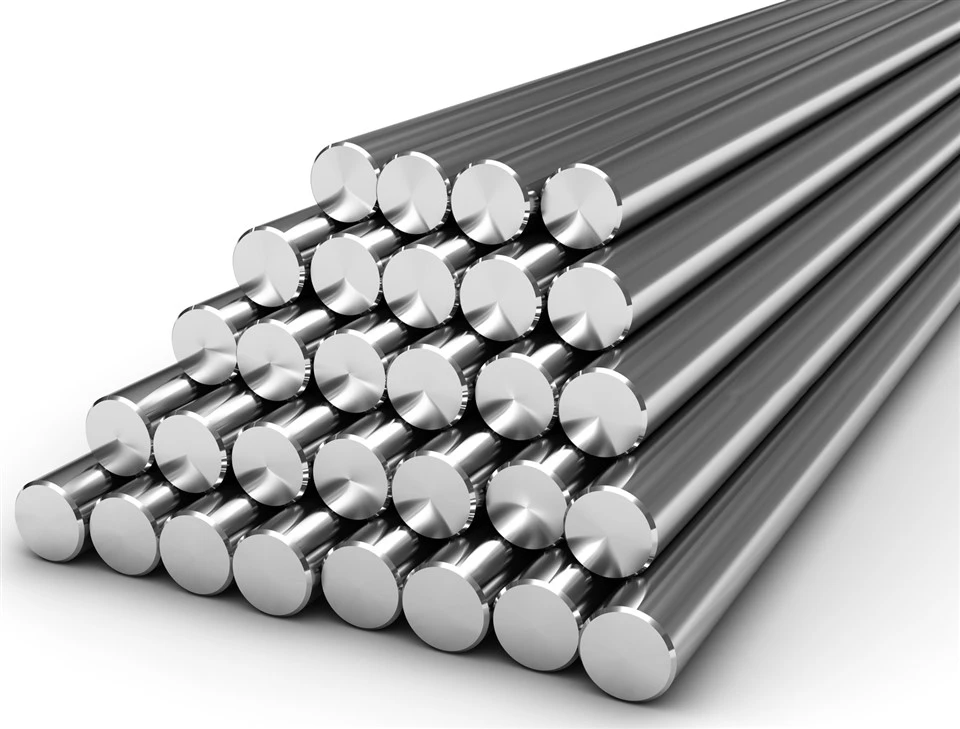
At our company, we offer a wide range of titanium castings, including Titanium Bars, Titanium Welding Coil, and Titanium Flanges. These products find applications in various industries, such as aerospace, automotive, chemical processing, and medical.
In the aerospace industry, our titanium castings are used in critical components such as engine parts and structural elements, where high strength, lightweight, and corrosion resistance are essential. In the automotive industry, they are used in exhaust systems, suspension components, and engine parts to improve performance and fuel efficiency.
In the chemical processing industry, our titanium castings are valued for their excellent corrosion resistance, making them suitable for use in harsh chemical environments. In the medical field, titanium castings are used in implants and surgical instruments due to their biocompatibility and mechanical properties.
Contact Us for Procurement
If you're interested in our titanium castings or have any questions about how oxygen content affects their properties, we'd love to hear from you. Our team of experts is ready to assist you in selecting the right product for your specific application and providing you with detailed technical information. Contact us today to start a procurement discussion and discover how our high-quality titanium castings can meet your needs.
References
- Boyer, R. R., Welsch, G., & Collings, E. W. (1994). Materials Properties Handbook: Titanium Alloys. ASM International.
- Lütjering, G., & Williams, J. C. (2007). Titanium: A Technical Guide. ASM International.
-ASM Handbook Committee. (1990). ASM Handbook Volume 2: Properties and Selection: Nonferrous Alloys and Special-Purpose Materials. ASM International.