

When it comes to the world of industrial materials, titanium pipes stand out for their exceptional properties, including high strength, excellent corrosion resistance, and low density. As a leading supplier of titanium pipes, I often get asked about the price range of these versatile products. In this blog post, I'll delve into the factors that influence the price of titanium pipes and provide a general overview of the price range you can expect.
Factors Affecting the Price of Titanium Pipes
1. Grade of Titanium
Titanium comes in various grades, each with its own unique chemical composition and mechanical properties. The grade of titanium used in the pipes significantly impacts their price. For instance, commercially pure titanium (Grade 1 - 4) is generally less expensive than alloyed titanium grades. Grade 1 titanium, which is the most ductile and has the lowest strength among the commercially pure grades, is often used in applications where formability is crucial, such as in the production of Titanium Straight Tube. On the other hand, alloyed grades like Ti-6Al-4V (Grade 5), which is known for its high strength and good corrosion resistance, are more expensive due to the additional alloying elements and the complexity of the manufacturing process.
2. Size and Dimensions
The size and dimensions of the titanium pipes also play a major role in determining their price. Larger diameter pipes and those with thicker walls generally cost more than smaller, thinner pipes. This is because more raw material is required to produce larger pipes, and the manufacturing process may be more challenging and time - consuming. Additionally, pipes with non - standard sizes or custom dimensions may incur higher costs due to the need for specialized tooling and production methods.
3. Manufacturing Process
The method used to manufacture titanium pipes can have a significant impact on their price. Seamless titanium pipes, which are produced by piercing a solid billet to create a hollow tube, are generally more expensive than welded pipes. The seamless manufacturing process requires advanced equipment and precise control to ensure the quality and integrity of the pipes. Welded pipes, on the other hand, are made by welding together flat titanium sheets or strips. While they are more cost - effective, they may not be suitable for applications where high pressure or extreme corrosion resistance is required.
4. Market Conditions
Like any other commodity, the price of titanium pipes is also influenced by market conditions. Fluctuations in the global supply and demand for titanium, as well as changes in the cost of raw materials and energy, can cause the price of titanium pipes to vary. For example, if there is a sudden increase in demand for titanium in the aerospace or medical industries, the price of titanium pipes may rise due to limited supply. Additionally, geopolitical factors, trade policies, and currency exchange rates can also impact the market price of titanium pipes.
General Price Range of Titanium Pipes
Based on the factors mentioned above, the price range of titanium pipes can vary widely. As a rough estimate, commercially pure titanium pipes (Grade 1 - 4) with standard sizes and dimensions can range from $10 to $50 per kilogram. These pipes are commonly used in applications such as chemical processing, marine engineering, and architecture.
Alloyed titanium pipes, such as Ti - 6Al - 4V (Grade 5), are generally more expensive, with prices ranging from $50 to $150 per kilogram. These pipes are widely used in the aerospace, automotive, and medical industries, where high strength and corrosion resistance are essential.
It's important to note that these price ranges are only approximate and can vary depending on the specific requirements of the customer. For example, if you need custom - sized Titanium Slip Joint or pipes with special surface finishes, the price may be higher.
Comparing Titanium Pipes with Other Materials
When considering the price of titanium pipes, it's also important to compare them with other materials commonly used in similar applications. For example, stainless steel pipes are often a more cost - effective alternative to titanium pipes. However, stainless steel may not offer the same level of corrosion resistance and strength as titanium, especially in harsh environments.
Carbon steel pipes are another option, but they are more prone to corrosion and may require additional coatings or treatments to protect them from rust and other forms of degradation. In the long run, the higher initial cost of titanium pipes may be offset by their longer service life and lower maintenance requirements.
Applications of Titanium Pipes and Their Impact on Price
The application of titanium pipes can also affect their price. In industries where the performance requirements are extremely high, such as aerospace and medical, the price of titanium pipes may be less of a concern compared to their quality and reliability.
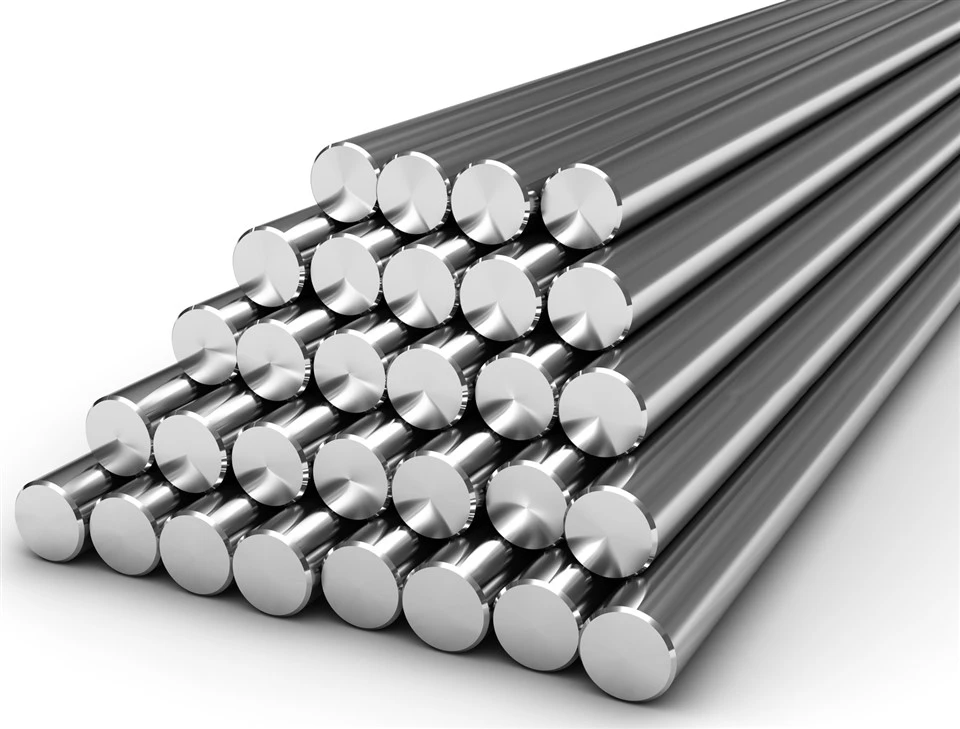

In the aerospace industry, titanium pipes are used in aircraft engines, hydraulic systems, and airframe structures. The high strength - to - weight ratio of titanium makes it an ideal material for these applications, as it helps to reduce the weight of the aircraft and improve fuel efficiency. Due to the strict quality and safety standards in the aerospace industry, the price of titanium pipes used in this sector is relatively high.
In the medical field, titanium pipes are used in surgical implants, dental fixtures, and medical equipment. Titanium is biocompatible, which means it can be safely used in contact with human tissue without causing an immune response. The manufacturing process for medical - grade titanium pipes is highly regulated, and the cost reflects the need for strict quality control and compliance with medical standards.
On the other hand, in industries such as chemical processing and marine engineering, where cost - effectiveness is also a consideration, customers may opt for commercially pure titanium pipes or lower - cost alloy grades. These industries still require corrosion - resistant materials, but the performance requirements may not be as stringent as those in the aerospace or medical sectors.
Conclusion
In conclusion, the price range of titanium pipes is influenced by a variety of factors, including the grade of titanium, size and dimensions, manufacturing process, and market conditions. As a supplier of titanium pipes, I understand that each customer has unique requirements, and I'm committed to providing high - quality products at competitive prices.
If you're interested in purchasing titanium pipes for your project, whether it's a standard Titanium Straight Tube, Titanium Bars, or a custom - designed Titanium Slip Joint, I encourage you to contact me for a detailed quote. We can discuss your specific needs and find the most suitable solution for your application.
References
- ASM Handbook, Volume 2: Properties and Selection: Nonferrous Alloys and Special - Purpose Materials.
- Titanium: A Technical Guide, Second Edition by Don Eylon, William F. Savage, and William J. Kroll.
- Industry reports on the global titanium market.