

Hey there! As a supplier of Titanium Collars, I often get asked about how long these bad boys last. So, let's dig into the lifespan of titanium collars and what factors can affect it.
First off, titanium is an amazing material. It's super strong, lightweight, and has excellent corrosion resistance. These properties are what make titanium collars a top - choice in many industries, from aerospace to automotive and even in medical applications.
General Lifespan
Under normal conditions, titanium collars can last for decades. That's right! Titanium has a high resistance to wear and tear. Unlike some other metals that can rust or corrode quickly, titanium forms a thin oxide layer on its surface when exposed to oxygen. This layer acts as a protective shield, preventing further oxidation and corrosion.
For instance, in industrial settings where the collars are used to secure pipes or cables, if they're installed correctly and not subjected to extreme conditions, they can easily last 20 - 30 years. In some cases, with proper maintenance, they can even outlive the equipment they're attached to.
Factors Affecting the Lifespan
1. Environmental Conditions
The environment where the titanium collars are used plays a huge role. If they're in a highly corrosive environment, like near the ocean where there's a lot of salt in the air, or in a chemical plant where they're exposed to harsh chemicals, their lifespan can be reduced.

Saltwater can accelerate the corrosion process, even though titanium is generally resistant. Over time, the constant exposure to salt can break down the protective oxide layer, making the collar more vulnerable. Similarly, strong acids or alkalis can also damage the titanium surface.
On the other hand, if the collars are used in a clean, dry indoor environment, they'll likely last much longer. The lack of moisture and corrosive agents means there's less chance of damage.
2. Mechanical Stress
How much stress the collars are under also matters. If they're constantly being tightened and loosened, or if they're supporting heavy loads, it can cause fatigue in the titanium. Fatigue can lead to cracks over time, which will eventually reduce the collar's strength and lifespan.
For example, in a machinery application where the collar is used to hold a rotating part, the constant vibration and movement can put stress on the collar. If the load is too high or the vibration is excessive, the collar may fail earlier than expected.
3. Installation Quality
Proper installation is crucial. If the collars are not installed correctly, they may not function as intended. For example, if they're not tightened to the right torque, they may come loose over time. This can lead to movement and additional stress on the collar, which can shorten its lifespan.
Also, if there are any scratches or damage to the collar during installation, it can compromise the protective oxide layer, making the collar more susceptible to corrosion.
Maintenance Tips to Extend Lifespan
To get the most out of your titanium collars, here are some maintenance tips:
- Regular Inspections: Check the collars periodically for any signs of damage, such as cracks, corrosion, or loosening. If you notice any issues early, you can take steps to fix them before they become major problems.
- Cleaning: Keep the collars clean. If they're in a dirty environment, use a mild detergent and water to clean them. Avoid using abrasive cleaners that can scratch the surface.
- Proper Storage: When not in use, store the collars in a dry, clean place. This will prevent them from being exposed to moisture and other corrosive agents.
Our Product Range
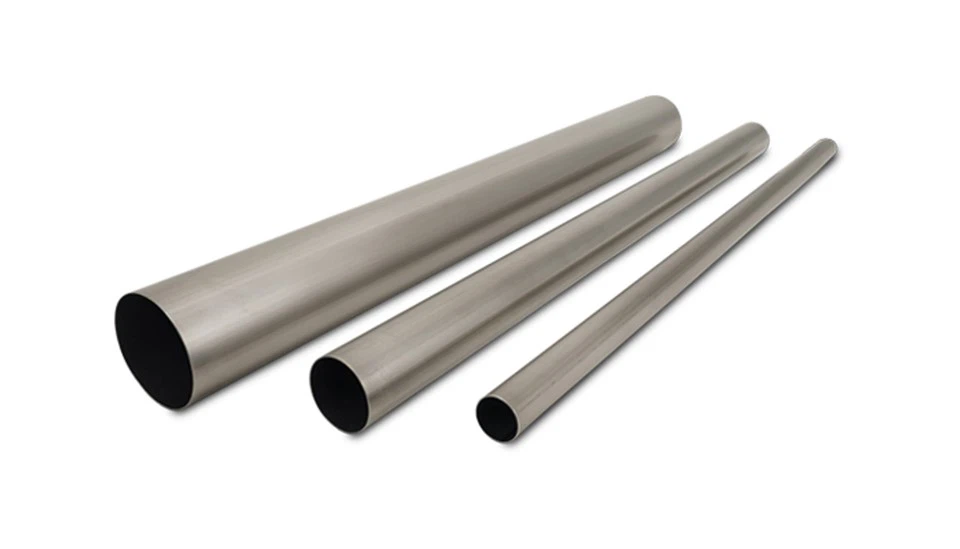
As a supplier, we offer a wide range of titanium products in addition to titanium collars. We have Titanium Straight Tube, which are great for various piping applications. They have the same excellent properties as our collars, like high strength and corrosion resistance.
We also have Titanium Clamps & Assemblies. These are useful for securing different components together. And our Titanium Bars are perfect for applications where you need a strong, lightweight material.
Conclusion
In conclusion, the lifespan of titanium collars can be quite long, but it depends on several factors. By understanding these factors and following proper maintenance practices, you can ensure that your titanium collars last as long as possible.
If you're interested in purchasing titanium collars or any of our other titanium products, we'd love to have a chat with you. We can discuss your specific needs and help you find the right products for your application. Just reach out, and let's start the conversation!
References
- ASM Handbook Volume 2: Properties and Selection: Nonferrous Alloys and Special - Purpose Materials
- Titanium: A Technical Guide by John C. Williams