

Do titanium collars have a smooth surface? This is a question that many potential buyers often ask. As a supplier of titanium collars, I am more than happy to delve into this topic and provide you with a comprehensive answer.
The Surface Characteristics of Titanium Collars
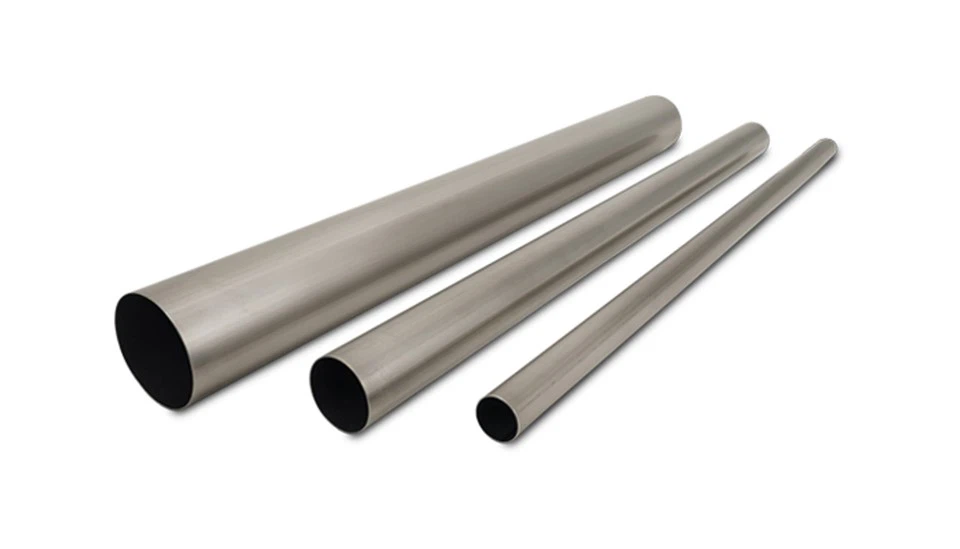
Titanium collars typically have a smooth surface, and this smoothness is one of their key features. The smooth surface of titanium collars is not only aesthetically pleasing but also offers several practical advantages.
From a manufacturing perspective, the process of creating titanium collars often involves advanced machining and finishing techniques. These processes are designed to ensure that the surface of the collar is as smooth as possible. For example, precision turning, grinding, and polishing are commonly used methods. Precision turning can accurately shape the titanium collar, removing any rough edges or irregularities. Grinding further refines the surface, reducing the surface roughness to a very low level. Finally, polishing gives the collar a mirror - like finish, enhancing its smoothness and visual appeal.
The smooth surface of titanium collars also has implications for their performance. In applications where the collar comes into contact with other components, a smooth surface reduces friction. This is particularly important in mechanical systems where minimizing friction can improve the efficiency of the overall system and reduce wear and tear on the components. For instance, in aerospace applications, titanium collars with smooth surfaces are used in engine components. The reduced friction helps to improve the engine's performance and reliability, as well as reduce energy consumption.
In addition, a smooth surface on titanium collars makes them easier to clean and maintain. Dirt, dust, and other contaminants are less likely to adhere to a smooth surface compared to a rough one. This is beneficial in industries such as food processing and medical equipment manufacturing, where cleanliness is of utmost importance. In the medical field, titanium collars with smooth surfaces are used in implants. The smooth surface reduces the risk of bacterial adhesion, which is crucial for preventing infections and ensuring the success of the implant.

Factors Affecting the Surface Smoothness of Titanium Collars
While titanium collars generally have a smooth surface, there are several factors that can affect the degree of smoothness.
The quality of the raw titanium material is a significant factor. High - quality titanium with fewer impurities is more likely to result in a smoother surface after processing. Impurities in the titanium can cause irregularities during the machining and finishing processes, leading to a less smooth surface. As a supplier, we source our titanium from reliable suppliers to ensure the high quality of our raw materials.
The manufacturing process also plays a crucial role. If the machining parameters are not properly set, such as the cutting speed, feed rate, and depth of cut, it can lead to a rougher surface. Similarly, the quality of the grinding and polishing operations can have a direct impact on the surface smoothness. Our manufacturing facilities are equipped with state - of - the - art machinery, and our experienced technicians carefully control the manufacturing process to ensure the best possible surface finish.
The intended application of the titanium collar can also influence the surface smoothness requirements. For some applications, a very high level of smoothness may be required, while for others, a slightly rougher surface may be acceptable. For example, in decorative applications, a highly polished and smooth surface is often desired to enhance the visual appeal. On the other hand, in some industrial applications where the collar is used for structural purposes, a slightly rougher surface may not significantly affect its performance.
Comparing Titanium Collars with Other Materials
When comparing titanium collars with collars made from other materials, the smooth surface of titanium collars becomes even more apparent.
Compared to steel collars, titanium collars are generally smoother. Steel is more prone to rust and corrosion, which can cause the surface to become rough over time. In contrast, titanium has excellent corrosion resistance, and its smooth surface remains intact even in harsh environments. For example, in marine applications, titanium collars are preferred over steel collars because they can maintain their smooth surface and performance in salt - water environments.
Aluminum collars are another alternative, but they are often softer than titanium collars. The softer nature of aluminum can make it more susceptible to scratches and dents, which can disrupt the smoothness of the surface. Titanium, with its high strength - to - weight ratio and hardness, is more resistant to physical damage, ensuring a long - lasting smooth surface.
Our Product Range and Quality Assurance
As a supplier of titanium collars, we offer a wide range of products to meet the diverse needs of our customers. In addition to titanium collars, we also supply other titanium products such as Titanium Straight Tube, Titanium Castings, and Titanium Powder.
We are committed to providing high - quality products. Our manufacturing process is strictly monitored at every stage to ensure that the surface smoothness and other quality parameters of our titanium collars meet or exceed industry standards. We use advanced inspection equipment to measure the surface roughness and other physical properties of our products. Our quality control team conducts thorough inspections before the products are shipped to our customers.
Conclusion
In conclusion, titanium collars typically have a smooth surface, which offers numerous advantages in terms of aesthetics, performance, and maintenance. The smooth surface is achieved through advanced manufacturing processes and is affected by factors such as the quality of the raw material and the manufacturing process itself. When compared to collars made from other materials, titanium collars stand out for their long - lasting smoothness.
If you are in the market for high - quality titanium collars or other titanium products, we would be delighted to discuss your requirements with you. Whether you need a small quantity for a prototype or a large - scale order for a production project, we have the expertise and resources to meet your needs. Contact us today to start a procurement discussion and discover how our titanium products can benefit your business.
References
- ASM Handbook, Volume 2: Properties and Selection: Nonferrous Alloys and Special - Purpose Materials. ASM International.
- Titanium: A Technical Guide, Second Edition. William F. Boyer, editor. ASM International.