

As a seasoned supplier of titanium pipes, I've often been asked about the viability of using titanium pipes in the food industry. This is a question that goes beyond simple technicalities; it touches on the core aspects of safety, quality, and efficiency in food production. In this blog, I'll delve into the properties of titanium pipes, explore their potential applications in the food industry, and discuss the advantages and challenges they present.
Properties of Titanium Pipes
Titanium is a remarkable metal known for its exceptional properties. First and foremost, titanium is highly corrosion - resistant. It forms a thin, stable oxide layer on its surface when exposed to oxygen, which protects it from further corrosion. This property is crucial in the food industry, where pipes are often in contact with various acidic, alkaline, and salty substances. For example, in the production of fruit juices, which are acidic, or in the processing of pickled foods, which are high in salt, a corrosion - resistant material like titanium can prevent the leaching of metal ions into the food products.
Titanium also has a high strength - to - weight ratio. It is as strong as steel but about 45% lighter. This makes titanium pipes easier to install and handle, especially in large - scale food processing plants where long runs of pipes are required. Additionally, the high strength of titanium means that the pipes can withstand high pressures and temperatures, which are common in many food processing operations such as pasteurization and sterilization.
Another important property of titanium is its biocompatibility. It is non - toxic and does not react with biological tissues. This is a significant advantage in the food industry, as it ensures that the pipes do not introduce any harmful substances into the food. It also means that titanium pipes are less likely to support the growth of bacteria and other microorganisms, which is essential for maintaining food safety.
Applications of Titanium Pipes in the Food Industry
Beverage Production
In the beverage industry, titanium pipes can be used in the production of both alcoholic and non - alcoholic drinks. For instance, in the brewing process, titanium pipes can be used to transport hot wort, which is a mixture of water and malted grains. The high temperature and acidic nature of the wort can cause corrosion in many metals, but titanium's corrosion - resistant properties make it an ideal choice. In the production of soft drinks, titanium pipes can be used for the transportation of carbonated water and flavoring agents, ensuring that the quality of the final product is not compromised.
Dairy Processing
In dairy processing, titanium pipes can be used in various steps of the production process. They can be used to transport milk from storage tanks to processing equipment such as pasteurizers and homogenizers. The high temperature and pressure involved in pasteurization can be easily handled by titanium pipes. Moreover, the non - reactive nature of titanium ensures that the milk does not pick up any off - flavors or contaminants from the pipes. Titanium pipes can also be used in the production of cheese and yogurt, where they come into contact with acidic whey and other dairy by - products.
Food Preservation
Food preservation methods such as canning and freezing often involve high - pressure and high - temperature processes. Titanium pipes can be used in these operations to transport steam, hot water, and other heat - transfer fluids. In canning, for example, titanium pipes can be used to circulate hot water around the cans to ensure proper sterilization. The high strength and corrosion resistance of titanium pipes make them suitable for these demanding applications.
Advantages of Using Titanium Pipes in the Food Industry
Long - Term Cost Savings
Although the initial cost of titanium pipes may be higher than that of some other materials such as stainless steel, the long - term cost savings can be significant. The high corrosion resistance of titanium means that the pipes have a longer service life and require less maintenance. This reduces the need for frequent pipe replacements and repairs, which can be costly in terms of both materials and labor.
Improved Food Quality
As mentioned earlier, titanium's non - reactivity and biocompatibility ensure that the food products remain uncontaminated. This helps to maintain the flavor, color, and nutritional value of the food. In addition, the smooth surface of titanium pipes reduces the risk of food particles sticking to the walls, which can lead to the growth of bacteria and the formation of biofilms.
Energy Efficiency
The high strength - to - weight ratio of titanium pipes allows for more efficient design and installation. Lighter pipes require less structural support, which can result in energy savings during the construction of food processing facilities. Moreover, titanium's excellent heat - transfer properties can improve the efficiency of heat - exchange processes in the food industry, reducing energy consumption.
Challenges and Considerations
Cost
As stated, the initial cost of titanium pipes is a major consideration. However, it's important to view this cost in the context of the long - term benefits. For large - scale food processing operations, the investment in titanium pipes can pay off over time through reduced maintenance and replacement costs.
Welding and Fabrication
Titanium requires specialized welding and fabrication techniques. Welding titanium is more challenging than welding other metals due to its high reactivity with oxygen, nitrogen, and hydrogen at high temperatures. This means that food processing companies need to work with experienced suppliers who have the necessary expertise and equipment to handle titanium pipes properly.
Availability
Although titanium is the ninth most abundant element in the Earth's crust, the production of high - quality titanium pipes requires a complex manufacturing process. This can sometimes lead to issues with availability, especially for large - volume orders. However, as a reliable titanium pipes supplier, I can help ensure a steady supply of high - quality products to meet your needs.
Other Titanium Products for the Food Industry
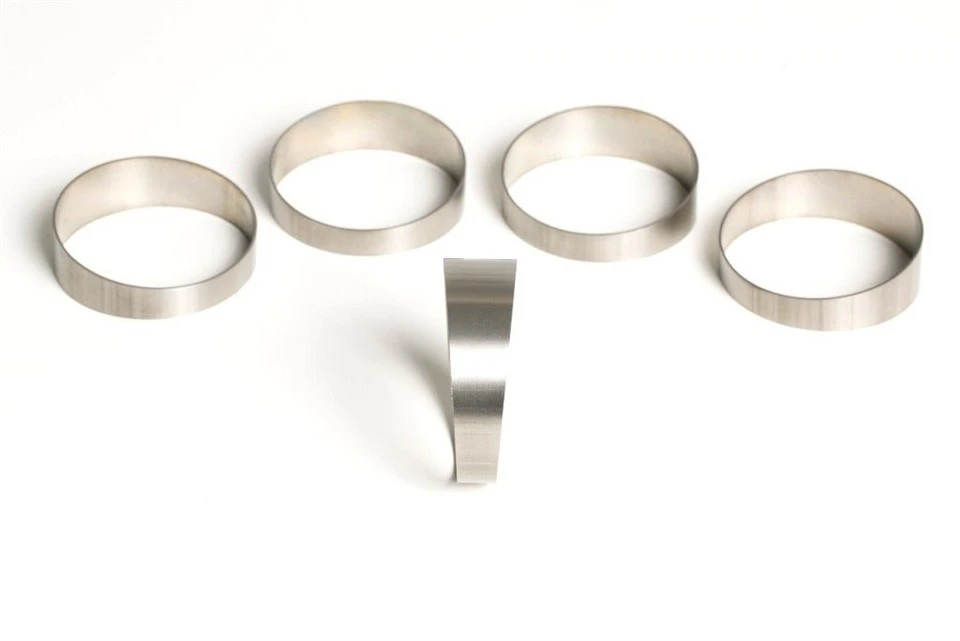
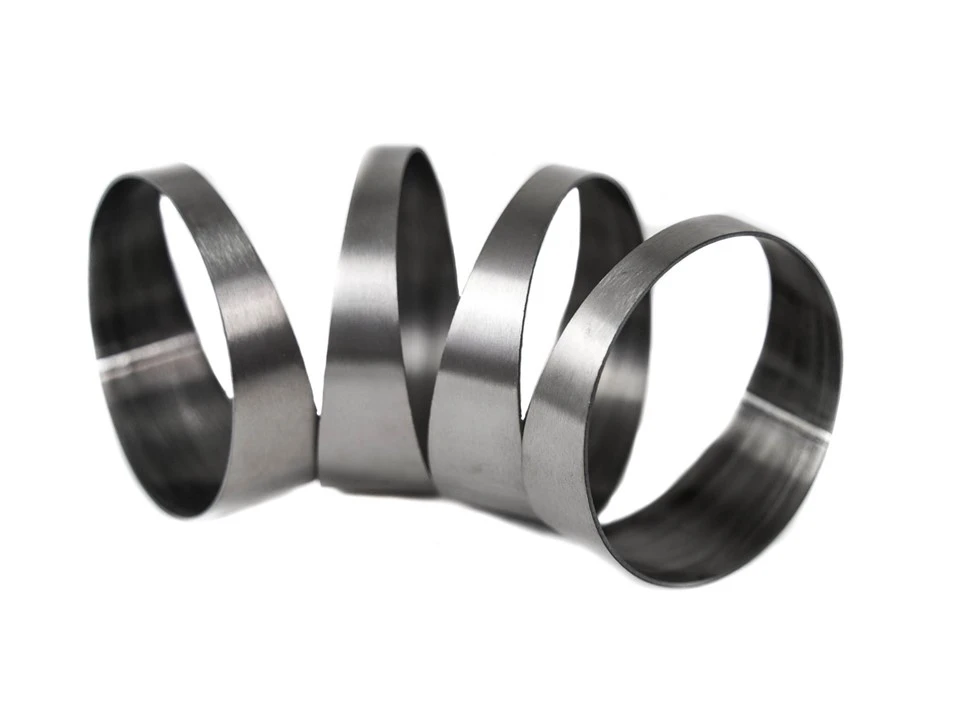
In addition to titanium pipes, there are other titanium products that can be used in the food industry. For example, Titanium Sheets & Plates can be used to construct storage tanks, processing equipment, and conveyor belts. Their corrosion resistance and high strength make them suitable for these applications. Titanium Fasteners can be used to assemble food processing equipment, ensuring a secure and reliable connection. Titanium Pie Cuts can be used in custom - made components for food processing machinery.
Conclusion
In conclusion, titanium pipes can indeed be used in the food industry, and they offer many advantages in terms of safety, quality, and efficiency. While there are some challenges such as cost, welding, and availability, these can be overcome with proper planning and the right supplier. As a supplier of titanium pipes, I am committed to providing high - quality products and professional services to the food industry. If you are considering using titanium pipes or other titanium products in your food processing operations, I encourage you to contact me for more information and to discuss your specific needs. I look forward to the opportunity to work with you and help you achieve your goals in the food industry.
References
- ASM Handbook Committee. (2000). ASM Handbook: Volume 2: Properties and Selection: Nonferrous Alloys and Special - Purpose Materials. ASM International.
- Callister, W. D., & Rethwisch, D. G. (2014). Materials Science and Engineering: An Introduction. Wiley.
- Schaeffler, A. L. (1949). Constitution diagram for stainless steel weld metals. Welding Journal, 28(5), 162s - 168s.