

Hey there! As a supplier of titanium collars, I often get asked whether these nifty little things can be used in high-temperature environments. It's a great question, and today, I'm gonna break it down for you.
First off, let's talk a bit about titanium. Titanium is an amazing metal. It's super strong, lightweight, and has excellent corrosion resistance. These properties make it a popular choice in a wide range of industries, from aerospace to medical. But when it comes to high temperatures, how does it hold up?
Titanium has a relatively high melting point, around 1668°C (3034°F). This means that in general, it can withstand quite a bit of heat before it starts to melt. However, just because it doesn't melt easily doesn't mean it can handle all high-temperature situations without any issues.

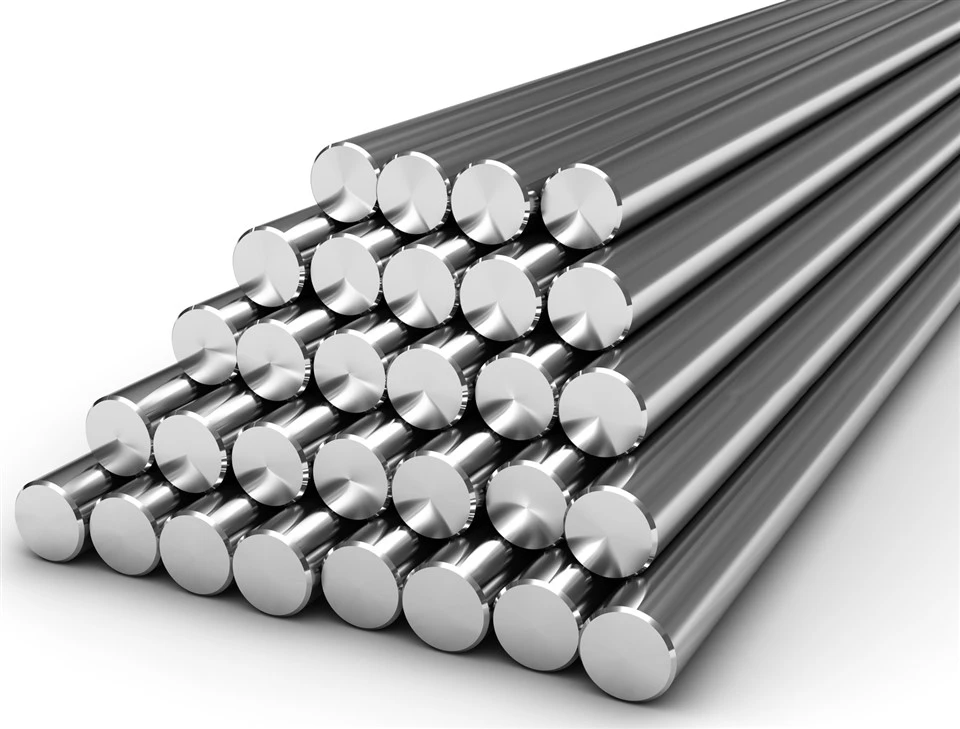
One of the main concerns with using titanium collars in high-temperature environments is oxidation. When titanium is exposed to high temperatures in the presence of oxygen, it forms a layer of titanium dioxide on its surface. This oxide layer can actually be beneficial up to a certain point. It acts as a protective barrier, preventing further oxidation and corrosion. But if the temperature gets too high or the exposure time is too long, the oxide layer can start to break down, and the titanium can oxidize more rapidly.
Another factor to consider is the mechanical properties of titanium at high temperatures. As the temperature increases, the strength and hardness of titanium can decrease. This means that the titanium collars may become more prone to deformation or failure under load. So, if you're planning to use titanium collars in a high-temperature environment where they'll be subjected to significant mechanical stress, you need to take this into account.
Now, let's look at some specific high-temperature applications where titanium collars might be used. One common application is in the aerospace industry. Aircraft engines operate at extremely high temperatures, and titanium collars can be used in various components to provide support and sealing. In this case, the collars need to be able to withstand the high temperatures and pressures generated by the engine. Fortunately, with proper design and material selection, titanium collars can perform well in these conditions.
Another application is in the chemical processing industry. Many chemical reactions take place at high temperatures, and titanium collars can be used in pipes, valves, and other equipment to prevent leaks and ensure the integrity of the system. Titanium's corrosion resistance makes it a great choice for these applications, but again, the high temperatures can pose a challenge. The collars need to be able to resist the corrosive chemicals as well as the high temperatures without losing their mechanical properties.
So, can titanium collars be used in high-temperature environments? The answer is yes, but with some limitations. It depends on the specific temperature, the duration of exposure, the presence of oxygen and other chemicals, and the mechanical stress the collars will be subjected to.
If you're considering using titanium collars in a high-temperature application, here are some tips to keep in mind:
- Choose the right grade of titanium: There are different grades of titanium available, each with its own unique properties. Some grades are better suited for high-temperature applications than others. Consult with a materials expert to determine the best grade for your specific needs.
- Consider surface treatments: Surface treatments can help improve the oxidation resistance of titanium. For example, applying a protective coating can prevent the formation of the oxide layer and extend the life of the collars.
- Design for the environment: Make sure the design of the titanium collars takes into account the high-temperature environment. This may include factors such as the shape, size, and thickness of the collars, as well as the way they're installed.
At our company, we specialize in providing high-quality titanium collars for a wide range of applications, including high-temperature environments. We have a team of experts who can help you choose the right collars for your specific needs and ensure that they're designed and manufactured to meet your requirements.
In addition to titanium collars, we also offer a variety of other titanium products, such as Titanium Castings, Titanium Stub End, and Titanium Bars. These products are made from the highest quality titanium and are available in a range of sizes and specifications.
If you're interested in learning more about our titanium products or have any questions about using titanium collars in high-temperature environments, please don't hesitate to contact us. We'd be happy to discuss your needs and provide you with a quote.
In conclusion, while titanium collars can be used in high-temperature environments, it's important to understand the limitations and take the necessary precautions. With the right design, material selection, and surface treatments, titanium collars can provide reliable performance in even the most challenging high-temperature applications.
References:
- "Titanium: Properties, Processing, and Applications" by John C. Williams
- "High-Temperature Materials and Coatings" by Robert A. Rapp