

In the modern industrial landscape, the question of environmental friendliness has become a pressing concern for businesses and consumers alike. As a stop collar supplier, I often find myself at the crossroads of functionality and environmental responsibility. Stop collars, essential components in various mechanical and industrial applications, play a crucial role in ensuring the proper alignment and positioning of parts. But the question remains: Are stop collars environmentally friendly?
Understanding Stop Collars
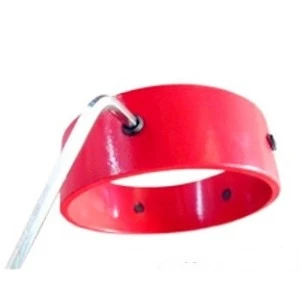
Before delving into the environmental aspects, it's important to understand what stop collars are and how they are used. Stop collars are mechanical devices designed to prevent axial movement of components on a shaft. They are commonly used in machinery, automotive, aerospace, and other industries to secure bearings, gears, and other rotating parts. There are different types of stop collars available, each with its own unique design and application. For example, the Model F Slip On Set Screw Stainless Steel Stop Collar is a popular choice due to its ease of installation and high strength. The Model B Hinged Bolted Stop Collar offers a more secure and adjustable solution, while the Model E Slip On Set Screw Stop Collar is known for its simplicity and cost-effectiveness.
Material Selection and Environmental Impact
One of the key factors in determining the environmental friendliness of stop collars is the material used in their production. The most common materials for stop collars include steel, stainless steel, and aluminum. Each material has its own environmental implications.
- Steel: Steel is a widely used material in the manufacturing of stop collars due to its high strength and durability. However, the production of steel is energy-intensive and generates a significant amount of greenhouse gas emissions. The extraction of iron ore, the primary raw material for steel, also has environmental impacts such as deforestation, soil erosion, and water pollution.
- Stainless Steel: Stainless steel is a corrosion-resistant alloy that contains chromium, nickel, and other elements. It is often used in applications where hygiene and durability are important. While stainless steel is more resistant to corrosion than regular steel, its production also requires a large amount of energy and resources. The extraction and processing of nickel and other alloying elements can have environmental impacts, including habitat destruction and water contamination.
- Aluminum: Aluminum is a lightweight and corrosion-resistant metal that is increasingly being used in the manufacturing of stop collars. The production of aluminum requires less energy than steel, and it can be easily recycled. Recycling aluminum uses only about 5% of the energy required to produce new aluminum from bauxite ore. However, the extraction of bauxite ore, the primary source of aluminum, can have significant environmental impacts, including deforestation, soil erosion, and water pollution.
To minimize the environmental impact of stop collars, manufacturers can choose to use recycled materials or materials with a lower carbon footprint. For example, some companies are now producing stop collars made from recycled steel or aluminum, which reduces the demand for virgin materials and conserves natural resources.
Manufacturing Processes and Energy Consumption
The manufacturing processes used to produce stop collars also have a significant impact on the environment. Traditional manufacturing methods, such as machining and forging, require a large amount of energy and generate a significant amount of waste. Machining involves cutting and shaping metal using tools such as lathes, mills, and drills. This process generates a large amount of metal chips and waste, which can be difficult to recycle. Forging, on the other hand, involves heating and shaping metal using a hammer or press. This process requires a large amount of energy to heat the metal, and it can also generate a significant amount of waste.
To reduce the environmental impact of manufacturing, many companies are now adopting more sustainable manufacturing processes. For example, some manufacturers are using precision machining techniques that minimize waste and reduce energy consumption. Others are using additive manufacturing, also known as 3D printing, to produce stop collars. 3D printing allows for the production of complex shapes with less material waste and energy consumption compared to traditional manufacturing methods.
Product Lifecycle and End-of-Life Management
The environmental impact of stop collars extends beyond their production and manufacturing. The product lifecycle, including use, maintenance, and end-of-life management, also plays a crucial role in determining their environmental friendliness.
- Use and Maintenance: Proper use and maintenance of stop collars can extend their lifespan and reduce the need for replacement. This can help to conserve resources and reduce waste. For example, regular inspection and lubrication of stop collars can prevent wear and tear and ensure their proper functioning.
- End-of-Life Management: At the end of their useful life, stop collars should be properly disposed of or recycled. Recycling stop collars can help to conserve natural resources and reduce the environmental impact of their production. However, not all stop collars are easily recyclable, especially those made from complex alloys or with attached components. To facilitate recycling, manufacturers can design stop collars that are easy to disassemble and separate into their component materials.
The Role of Regulations and Standards
Regulations and standards play an important role in promoting the environmental friendliness of stop collars. Governments and international organizations are increasingly implementing regulations and standards to reduce the environmental impact of industrial products. For example, the European Union's Restriction of Hazardous Substances (RoHS) directive restricts the use of certain hazardous substances, such as lead, mercury, and cadmium, in electrical and electronic equipment. The Waste Electrical and Electronic Equipment (WEEE) directive requires manufacturers to take responsibility for the collection, treatment, and recycling of their products at the end of their useful life.
In addition to government regulations, industry standards and certifications can also help to promote the environmental friendliness of stop collars. For example, the ISO 14001 environmental management system standard provides a framework for companies to manage their environmental impacts and improve their environmental performance. By obtaining ISO 14001 certification, companies can demonstrate their commitment to environmental sustainability and gain a competitive advantage in the market.
Conclusion and Call to Action
In conclusion, the environmental friendliness of stop collars depends on a variety of factors, including material selection, manufacturing processes, product lifecycle, and end-of-life management. While there are challenges in making stop collars more environmentally friendly, there are also opportunities for manufacturers to adopt more sustainable practices and technologies. By choosing recycled materials, using sustainable manufacturing processes, and promoting proper end-of-life management, we can reduce the environmental impact of stop collars and contribute to a more sustainable future.
As a stop collar supplier, I am committed to providing high-quality products that are not only functional but also environmentally friendly. I encourage businesses and consumers to consider the environmental impact of stop collars when making purchasing decisions. If you are interested in learning more about our environmentally friendly stop collars or would like to discuss your specific requirements, please do not hesitate to contact us for procurement and further discussions.

References
- "Environmental Impact of Steel Production." World Steel Association.
- "Sustainable Aluminum Production." Aluminum Association.
- "ISO 14001:2015 Environmental Management Systems - Requirements with Guidance for Use." International Organization for Standardization.
- "RoHS Directive 2011/65/EU." European Union.
- "WEEE Directive 2012/19/EU." European Union.